


A/Prof Luke Tan
Consultant ENT, Head & Neck Surgeon
FAMS (ORL), FRCS (England), Head & Neck Surgery (Texas, USA)
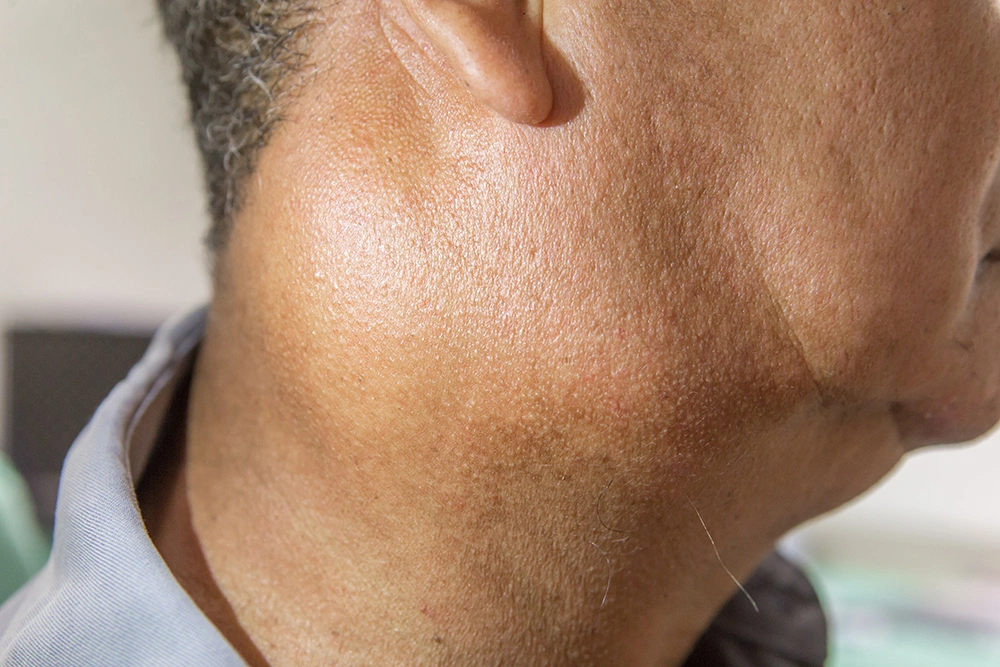
A neck lump is an abnormal bump or swelling situated at the neck. These lumps can vary in size, shape, location and tenderness, which may indicate a range of underlying conditions, from minor infections to more serious diseases. While neck lumps are often caused by temporary infections, they can sometimes be a sign of cancer. Neck lumps ought to be evaluated by a medical professional to ensure a correct identification of the underlying condition causing it and to ensure appropriate treatment.
When a Neck Lump Might Be a Swollen Lymph Node
A neck lump is often caused by an enlarged lymph node. Lymph nodes are small, bean-shaped glands that form part of the body's immune system and help filter harmful substances such as bacteria, viruses, and abnormal cells. When they react to an infection or inflammation, they can become swollen and noticeable as a lump in the neck. They can also become enlarged due to chronic conditions such as tuberculosis.
An enlarged lymph node may be the first sign of underlying cancer. Some cancers (e.g. nasopharyngeal cancers, melanoma, oral cancers) tend to travel to the lymph nodes. Furthermore, some cancers begin developing in the lymph nodes (e.g. lymphoma).
Beyond swollen lymph nodes, other possible causes for neck lumps include:
Thyroid Nodules
Thyroid nodules are lumps that grow within the thyroid gland, located at the front of the lower neck. They are common, often benign or asymptomatic.
Cysts
Cysts are small sacs that contain either liquid or semi-solid substances. They form when skin cells, oils, or other materials get trapped under the skin. Some cyst types that can cause neck lumps include branchial cleft cysts, thyroglossal duct cysts, epidermoid cysts or sebaceous cysts.
Benign Tumours
Benign tumours are non-cancerous growths that can develop in the tissues of your neck, forming lumps. The most common type of benign tumours are lipomas, harmless mounds of fatty tissue. Other common tumours include fibromas, composed of fibrous connective tissue, and hemangiomas, made up of blood vessels.
Is My Swollen Lymph Node Serious? From Infections to Cancers
Swollen lymph nodes are often a sign that your body's immune system is responding to an underlying condition. In many cases, enlarged lymph nodes are harmless and temporary, but they can sometimes indicate a more serious health problem. Lymph nodes in the neck may swell for a variety of reasons, albeit they can largely be grouped under two categories: infections and cancers.
Infections
Infections are the most common cause for lymph nodes in the neck to swell. This is typically either a viral or a bacterial infection. Viral infections tend to be of the upper respiratory tract, causing the nearby lymph nodes to enlarge and become tender.
Common viral infections include:
- The common cold
- Influenza
- Infectious mononucleosis
- COVID-19
Bacterial infections that cause lymph node enlargement in the neck need not be within the neck itself, but can too come from the areas of lymph drainage, such as the throat, skin and ears.
Common bacterial infections include:
- Strep throat
- Tonsillitis
- Dental infections
Cancers
Although less common, lymph nodes may swell due to cancer. This may occur when cancer develops within the lymphatic system itself or spreads to the lymph nodes from another part of the body. Neck lumps from cancerous lymph nodes tend to feel hard to the touch.
Primary (non-metastatic) causes include:
- Lymphoma
- Leukemia
Secondary (metastatic) causes can come from parts of the body both near and far from the neck, although it is more common for them to originate in places nearer than further. Common cancers causing neck lumps include:
- Tongue and oral cancers
- Skin and scalp cancers
- Thyroid cancers
- Nasopharyngeal cancers
- Gastrointestinal cancers
- Breast cancers
- Lung cancers
When to See a Doctor About a Lump in the Neck
Many people wonder whether a neck lump is harmless or a sign of something more serious. While some neck lumps disappear on their own, others may require medical assessment, particularly if they persist or continue to grow. While many neck lumps are harmless and resolve on their own, some require prompt medical evaluation. The characteristics of the lump, such as how long it has been present, when it emerged, location, texture, tenderness, size, amongst others, can provide important clues about its cause.
-
When the Neck Lump Emerged
:If a neck lump appears shortly after an infection, it is often merely a temporary swollen lymph node that will go away as the infection runs its course. -
Location
:If the neck lump appears at the base and in the front of your neck, it might be a thyroid nodule. -
Texture
:If the neck lump is soft and movable, it might be from benign tumours such as lipomas, which are relatively harmless mounds of fatty tissue. On the other hand, hard lumps may warrant further medical evaluation as they can sometimes be associated with cancer. -
Size
:Any neck lump larger than 1.5–2 cm, especially if it continues to grow, should be evaluated by a healthcare professional. A rapidly enlarging lump may indicate an active infection, while a slowly enlarging lump that persists for weeks or months could be linked to a tumour, thyroid nodule, or other underlying condition.
If your neck lump does not go away in a few days, consult a doctor as soon as possible. This is all the more crucial should the lump increase in size and change in texture, or accompanied by the following symptoms:
- Unexplained weight loss
- Persistent hoarseness or other changes in voice
- Persistent sore throat or ear pain
- Night sweats
- Fever
- Fatigue and general weakness
Nipping Neck Lumps in the Bud with Dr Luke Tan
Neck lumps can arise from a wide range of underlying conditions, from common and self-resolving ones to ones that require immediate medical attention. It is crucial to be informed about the type of neck lump one has and what medical condition it is a symptom of, such that one has a better idea of where their neck lumps come from. However, it remains ultimately important to seek professional advice for an accurate diagnosis, as well as to ensure that any necessary treatment begins promptly.
At Luke Tan ENT, we have been offering personalised treatment to every patient in order to address their ear, nose, and throat (ENT) -related concerns for 15 years. With over 20 years of expertise in otorhinolaryngology, A/Prof Luke Tan has extensive experience managing a wide range of ear, nose and throat conditions through both surgical and non-surgical treatment approaches. If you are experiencing persistent symptoms or have concerns about your ENT health, schedule a consultation with us today to receive a thorough evaluation and the appropriate treatment.
FAQs about Neck Lumps
Can a swollen lymph node in the neck be harmless?
Yes. Most swollen lymph nodes are caused by infections such as colds, flu, sore throats, tonsillitis, or dental infections. These lymph nodes often become tender and enlarged as the immune system responds to infection and typically return to normal once the illness resolves.
How long should a swollen lymph node in the neck last?
Swollen lymph nodes caused by infections often improve within a few weeks. If a neck lump persists beyond two to three weeks, enlarges, or does not improve after the infection has resolved, it should be assessed by a healthcare professional.
What does a cancerous neck lump feel like?
Cancerous neck lumps are often firm, hard, and painless. They may feel fixed in place rather than movable under the skin and tend to persist or gradually increase in size over time. However, the appearance and texture of a lump alone cannot determine whether it is cancerous.
Are painful neck lumps always more serious than painless ones?
Not necessarily. Painful neck lumps are commonly associated with infections and inflammation, but some serious conditions can also cause pain. Likewise, many cancerous neck lumps are painless, especially in their early stages. Any persistent or unexplained neck lump should be assessed by a doctor.
A/Prof Luke Tan
Consultant ENT, Head & Neck Surgeon
FAMS (ORL), FRCS (England), Head & Neck Surgery (Texas, USA)
A/Prof Luke Tan is an experienced ENT specialist with over 20 years of practice, with a strong focus on diagnosing and managing persistent ear, nose, and throat symptoms that do not resolve with initial treatment. He has particular expertise in sinus and nasal conditions, and was among the first surgeons in Singapore to perform robotic thyroid surgery.
A/Prof Tan previously served as Head of ENT at the National University Hospital and has played a key role in advancing ENT services locally. He takes a structured and personalised approach to care, using advanced endoscopic techniques to identify underlying causes and tailor treatment to each patient's needs. His goal is to help patients achieve lasting relief and improved day-to-day comfort.