


A/Prof Luke Tan
Consultant ENT, Head & Neck Surgeon
FAMS (ORL), FRCS (England), Head & Neck Surgery (Texas, USA)
Another bout of sinus symptoms, another round of congestion and facial pressure, and just when you think it has cleared, the symptoms return. This frustrating cycle can disrupt sleep, affect concentration and make breathing comfortably feel like a luxury. While occasional sinus symptoms commonly accompany a cold or allergy flare-up, problems that persist or repeatedly return may point to other issues affecting sinus drainage.
Knowing when to consult a sinus specialist is not always straightforward because sinusitis can resemble a common cold or allergic rhinitis. How long symptoms last and whether they fully resolve between episodes can provide important clues about what is happening. When sinus symptoms persist despite initial care or repeatedly return, an ENT assessment can help identify the possible cause and guide further management.
When Are Sinus Problems Considered Recurrent or Persistent?
Not every blocked nose or episode of facial pressure indicates an ongoing sinus condition. The pattern and duration of your symptoms help distinguish an isolated illness from a problem that may require further assessment.
-
Recurrent Sinus Symptoms with Symptom-Free Periods
Recurrent sinusitis involves separate episodes, with symptoms resolving between them. If these episodes happen frequently, an ENT specialist may look for factors that could be contributing to repeated sinus inflammation or impaired drainage.
-
Persistent Sinus Symptoms That Never Fully Resolve
Persistent symptoms follow a different pattern. When symptoms associated with sinusitis continue for 12 weeks or longer rather than resolving between distinct episodes, chronic rhinosinusitis may be considered. An ENT assessment can help determine whether ongoing sinus inflammation is present and whether another condition could be contributing to the symptoms.
Why Do Sinus Problems Keep Coming Back?
Recurrent sinus symptoms do not necessarily mean that a new infection develops each time. In some cases, an underlying problem keeps the nasal passages inflamed or interferes with normal sinus drainage, making symptoms more likely to persist or return. Possible contributing factors include:
- Persistent inflammation or allergies can cause swelling within the nasal passages and interfere with normal sinus drainage.
- Repeated respiratory infections can trigger episodes of sinus inflammation, particularly in people who are already prone to sinus problems.
- Nasal polyps or structural narrowing can obstruct drainage pathways and contribute to persistent or recurrent symptoms.
- Dental problems affecting the upper teeth can occasionally spread inflammation or infection into the nearby maxillary sinus.
Identifying what is contributing to repeated symptoms can help guide treatment towards the underlying problem rather than treating each episode in isolation.
What Signs Indicate That You Should See a Sinus Specialist?
There is no single symptom that determines when specialist care is needed. An assessment may be appropriate when sinus problems keep returning, fail to resolve as expected or begin to affect everyday life.
-
Sinus Problems Keep Returning
If sinus symptoms repeatedly clear and then return, further assessment may help establish whether there is a recurring pattern that needs treatment. This is particularly relevant when episodes are becoming frequent enough to interfere with normal activities or repeatedly require medical care.
-
Symptoms That Persist or Worsen Despite Treatment
Consider seeking further assessment when sinus symptoms do not improve with appropriate initial treatment or continue beyond the expected recovery period. Symptoms that improve and then become noticeably worse may also warrant medical review.
-
Symptoms Are Unusual or Affect One Side
Symptoms that consistently affect only one side of the nose or face may warrant further assessment, particularly if they persist. Unexplained bleeding, facial swelling or changes should also be medically assessed rather than assumed to be another episode of sinusitis.
What Happens During an ENT Sinus Assessment?
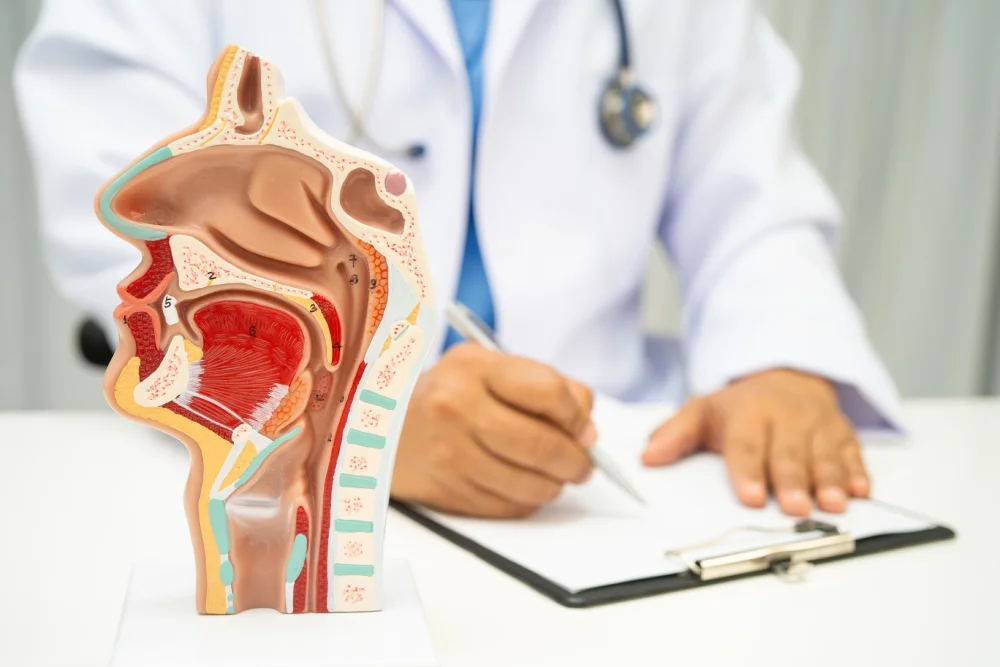
An ENT assessment looks beyond the symptoms themselves to identify what may be causing them to persist or return. The examination and any further investigations are guided by your symptom pattern and clinical findings.
-
Reviewing the Pattern of Your Symptoms
Your sinus specialist will ask when your symptoms began, how long each episode lasts and whether you feel completely well between episodes. Your previous treatment and relevant medical history will also be reviewed, including factors that could contribute to recurring nasal or sinus symptoms.
-
Examining the Nose and Sinus Drainage Pathways
The specialist will examine the inside of your nose for signs of inflammation or other changes that may be affecting airflow airflow or sinus drainage. The examination can also help determine whether a closer view of the nasal passages is needed.
-
Using Nasal Endoscopy When Needed
If a standard examination does not provide enough information, nasal endoscopy may be performed. A thin instrument with a light and camera is passed gently through the nose to provide a closer view of the nasal passages and sinus drainage openings.
-
Using the Findings to Plan Treatment
Treatment is guided by what the assessment identifies rather than by the symptoms alone. Depending on the cause, management may involve medical treatment, addressing contributing factors or continued monitoring.
Sinus surgery may be considered in selected cases when persistent disease or an obstruction continues to cause problems despite appropriate non-surgical treatment.
Get Further Assessment for Recurrent Sinus Problems from A/Prof Luke Tan
When sinus symptoms keep returning or do not resolve as expected, further assessment can help establish whether an underlying nasal or sinus condition is contributing to the pattern. Treatment can then be directed towards the findings rather than assuming each episode has the same cause.
At Luke Tan ENT, patients with recurrent or persistent sinus symptoms can undergo specialist assessment to investigate possible causes and discuss appropriate management options. A/Prof Luke Tan is a consultant ENT, head and neck surgeon with experience in the assessment and treatment of sinus conditions, including endoscopic sinus surgery where appropriate. If your sinus symptoms continue to return or never seem to fully resolve, book an appointment for further assessment.
FAQs About Recurrent Sinus Problems
Are recurrent sinus problems contagious?
Recurrent sinusitis itself is not necessarily contagious. Some episodes may begin with a contagious viral respiratory infection, while persistent symptoms are more often linked to inflammation, allergies or impaired sinus drainage. The underlying cause determines whether there is any risk of transmission.
Why do sinus symptoms sometimes feel worse at night?
Lying down can make mucus drainage less effective, increasing congestion, post-nasal drip and facial pressure. Bedroom allergens such as dust mites may also worsen nasal inflammation. Persistent night-time symptoms should be assessed if they regularly interfere with sleep or breathing.
Can sinus problems return after previous sinus surgery?
Sinus surgery improves drainage and access for ongoing treatment, but it does not prevent every cause of inflammation from returning. Allergies, chronic inflammatory disease, scar tissue or regrowth of nasal polyps may cause symptoms to recur and require reassessment.
Meet Our ENT Specialist in Singapore
A/Prof Luke TanConsultant ENT, Head & Neck Surgeon
FAMS (ORL), FRCS (England), Head & Neck Surgery (Texas, USA)
A/Prof Luke Tan is an experienced ENT specialist with over 20 years of practice, with a strong focus on diagnosing and managing persistent ear, nose and throat symptoms that do not resolve with initial treatment. He has particular expertise in sinus and nasal conditions, and was among the first surgeons in Singapore to perform robotic thyroid surgery.
A/Prof Tan previously served as Head of ENT at the National University Hospital and has played a key role in advancing ENT services locally. He takes a structured and personalised approach to care, using advanced endoscopic techniques to identify underlying causes and tailor treatment to each patient's needs. His goal is to help patients achieve lasting relief and improved day-to-day comfort.